Loading...
Serving Little Rock, AR and surrounding areas. (501) 621-2141
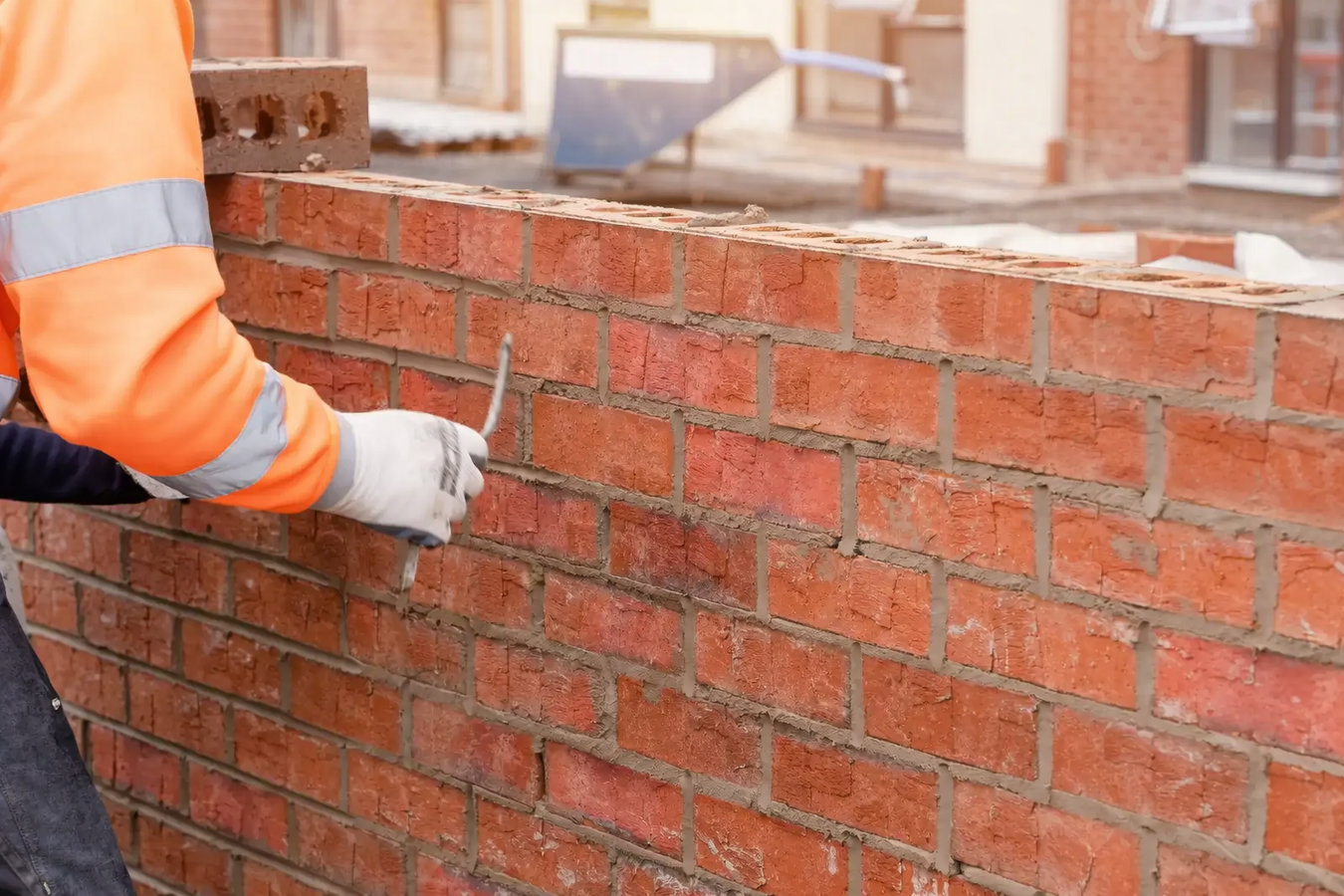
Crumbling mortar joints let water into your brick walls with every rain. We repoint with mortar matched to your brick type so the repair holds through Little Rock winters and wet springs.
Brick pointing in Little Rock means removing old, crumbling mortar from the joints between your bricks and replacing it with fresh mortar - the bricks themselves stay in place, only the filler between them is replaced. Most residential jobs - a chimney, a section of exterior wall, or a garden wall - take one to three days and can protect your home from water intrusion for 25 to 30 years when done correctly with mortar matched to the age and hardness of your brick.
Mortar joints are the first place water enters a brick wall, and in Little Rock - where the city averages around 50 inches of rain per year - a wall with failing joints will eventually let moisture reach your interior walls and framing. The clay soil under most of central Arkansas shifts with every wet and dry season, which is why homeowners here often notice new cracks in mortar joints after a rainy spring or a long dry summer. Brick pointing is a focused maintenance repair that stops the problem before it becomes a full wall rebuild. It pairs naturally with foundation repair when soil movement has caused cracking at the base of a brick wall.
If your brick home was built before 1960, the mortar mix used in any repointing work matters more than most people realize. The wrong mortar on older soft brick causes the brick itself to crack - which is a far bigger problem than failing joints.
Run your hand along the mortar joints on your exterior walls. If the mortar feels soft or sandy, or crumbles when you press it, it is no longer doing its job. Gaps wider than a credit card are a clear sign water is getting in and the joints need to be replaced - not covered over.
That chalky white residue on your brick walls is called efflorescence - mineral salts left behind when water moves through the wall and evaporates on the surface. In Little Rock's humid climate, it is a reliable early warning that moisture is finding its way through failing mortar joints. It is not dangerous on its own, but it tells you water is moving where it should not be.
Stand back and look at your wall from an angle. Healthy mortar joints sit close to flush with the brick surface. If the joints look hollow or the mortar has pulled back from the brick edges, that recession is letting water pool right where it does the most damage over time.
Little Rock's clay soils expand and contract with every season, and that movement shows up in mortar joints first. If you notice new cracks in your brick walls after a wet winter or a long dry stretch in summer, the soil shifting underneath is likely the cause. Catching these cracks early - before another freeze-thaw cycle widens them - is the most cost-effective time to act.
We repoint mortar joints on chimneys, exterior home walls, garden walls, retaining walls, and steps. The process starts with carefully removing old mortar to a proper depth - at least three-quarters of an inch - using angle grinders and chisels, so the new mortar has something solid to bond to. Skimming new mortar over the top of failing joints is a shortcut that fails fast. We pack in fresh mortar by hand, tool the joints to match the profile of your existing brickwork, and brush down the wall before we leave. For homes built before 1950, we use mortar mixes that are softer and more flexible than modern standard products, matched to the age and hardness of your brick. Using a mortar that is too hard on older brick causes the brick face to crack and spall - a much more expensive problem than the original joint failure.
Brick pointing is often one part of a broader repair scope. We frequently combine it with masonry restoration when a wall has both failing joints and spalled or damaged brick faces that need patching at the same time. The Brick Industry Association publishes guidance on proper mortar selection and joint repair - the professional standards our work follows. Homeowners in Little Rock's historic districts can also consult the Little Rock Historic Preservation office before exterior work begins.
Suited for homeowners whose chimney shows crumbling joints, white staining, or loose mortar that has been deteriorating through multiple winters.
For homes where mortar across a large section of the exterior has failed or is showing signs of water intrusion, especially on older brick construction.
Best for older Little Rock homes in neighborhoods like Hillcrest or the Quapaw Quarter where the original soft brick requires a specifically formulated mortar mix.
Little Rock sits in a climate zone where temperatures regularly drop below freezing in winter and climb back above it within the same week. That pattern of freezing and thawing is especially hard on mortar joints - water gets in, freezes, expands slightly, and then thaws, widening cracks a little more each cycle. Homeowners here often find that mortar deteriorates faster than they would in a consistently warm or consistently cold climate, which is why inspecting brick walls every few years is genuinely worthwhile. Arkansas clay soils add another layer of stress by shifting under brick walls as moisture levels change, which opens cracks from below at the same time freeze-thaw cycles are working from above.
A significant share of Little Rock's residential neighborhoods - including Hillcrest, the Quapaw Quarter, and the Heights - have homes built between the 1910s and 1950s with softer, more porous brick than modern construction uses. Getting the mortar mix right on these homes is not optional; the wrong product causes permanent brick damage. We serve homeowners across the area, including communities like North Little Rock and Sherwood, where older brick homes face the same seasonal conditions and need the same level of care.
We respond within 1 business day. Describe where on your home you are seeing the problem - a chimney, a wall section, or a specific area showing white staining or gaps. No obligation at this stage.
We walk the wall with you, check the mortar joints closely, look for signs of water damage, and assess whether soil movement is a contributing factor. You get a plain-language explanation of what we found and a written estimate before any work is agreed to.
The crew clears the area, removes the old mortar to proper depth using grinders and chisels, and packs in fresh mortar matched to your brick type. You will hear grinding and light tapping. The work typically takes one to three days for standard residential jobs.
We walk you through the finished work before we leave. Fresh mortar needs 24 to 48 hours to harden - keep the area dry during that window. In Little Rock's summer heat, we may lightly mist the joints to slow the cure and prevent surface cracking.
Free estimate, no obligation. We respond within 1 business day.
(501) 621-2141Using the wrong mortar on older brick is one of the most common mistakes in repointing work - it causes the brick face to crack rather than the joint. We identify what your brick needs before we mix anything, and we use a mortar that flexes with the wall rather than fighting it.
Skimming new mortar over old failing joints is a shortcut that looks fine on day one and fails within two years. We remove old mortar to a minimum of three-quarters of an inch on every job so the new material has a solid surface to bond to - that is the difference between work that holds and work that does not.
We work across Little Rock and 11 surrounding communities, which means we understand the soil conditions, housing stock, and mortar types specific to different neighborhoods. A contractor who has worked in Hillcrest and the Quapaw Quarter knows what older brick in those areas looks like and what it needs.
Arkansas requires contractors above a certain project threshold to be licensed through the state board. We are licensed, insured, and able to provide documentation on request. That licensure is your assurance you have a formal channel if anything ever goes wrong with the work.
Brick pointing done right stops water damage before it reaches your interior walls and framing. In Little Rock, where freeze-thaw cycles and heavy spring rains put consistent pressure on mortar joints, catching the problem at the joint stage is far less expensive than catching it after water has been working through the wall for years.
When clay soil movement has caused cracking at the base of your brick walls, foundation repair addresses the underlying cause before joint repair is done.
Learn moreFull masonry restoration for homes where spalled brick faces, structural cracks, and failing mortar joints all need to be addressed together in one scope of work.
Learn moreLittle Rock's wet seasons put constant pressure on failing mortar joints. Call or contact us now to lock in your estimate while the calendar is still open.