Loading...
Serving Little Rock, AR and surrounding areas. (501) 621-2141
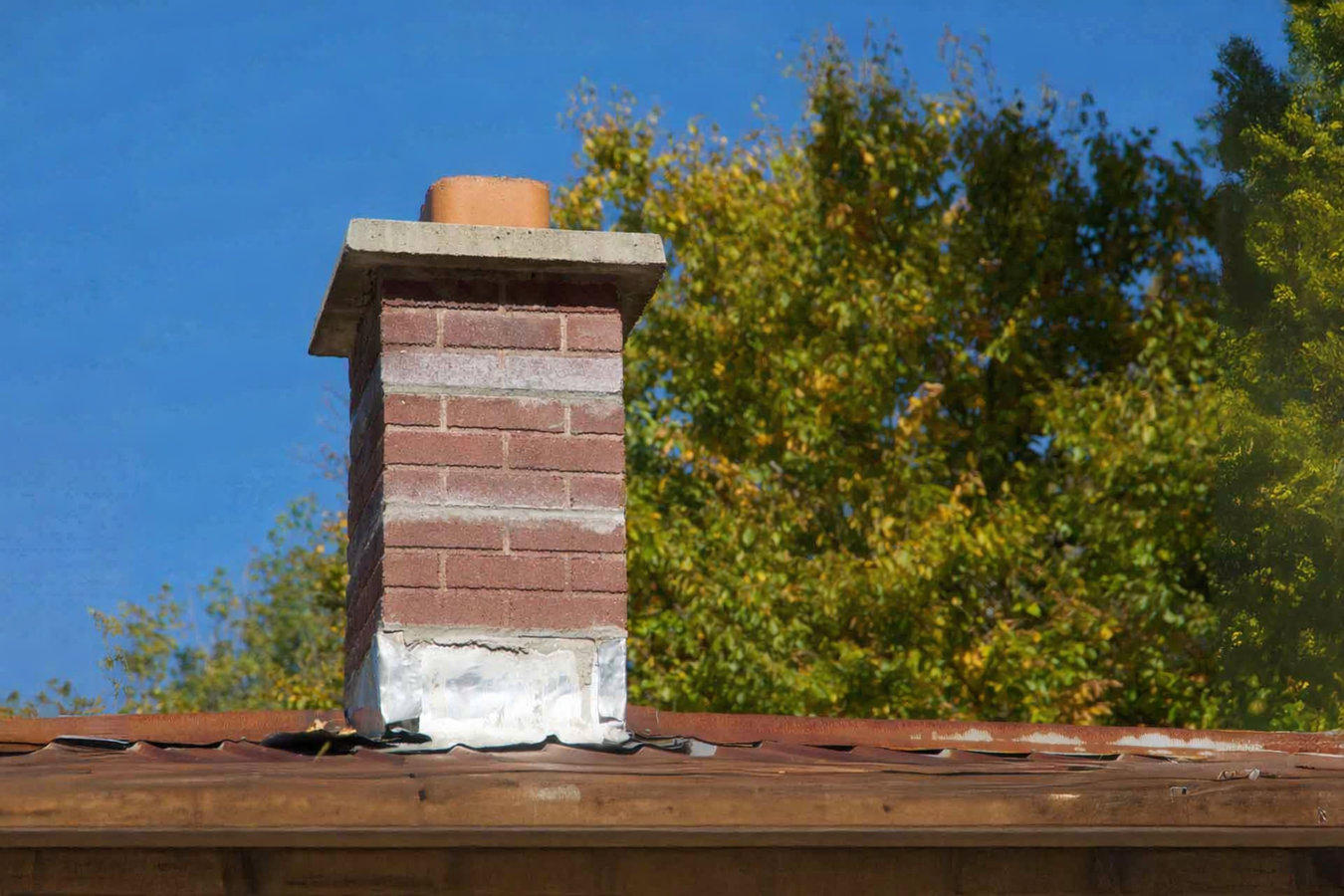
Little Rock freeze-thaw winters crack mortar and shift brick faster than most homeowners expect. We inspect, diagnose, and repair every part of the chimney so your fireplace is safe to use before the first cold night.
Chimney repair in Little Rock addresses the mortar, liner, crown, cap, and firebox damage that results from years of freeze-thaw cycles and humidity - most smaller jobs are finished in a single visit, while liner replacements or partial rebuilds take one to two days. The goal is to make the system safe and watertight, not just patch what is visible.
A chimney is not just a decorative feature - it is a system. The liner contains heat and combustion gases. The crown and cap keep water and animals out. The mortar joints protect the masonry beneath. When any one of those parts fails in Little Rock's humid climate, the others start failing faster. If the mortar has worn to the point of crumbling, that repair is called tuckpointing, and it is one of the most common repairs we do. When a homeowner wants to add a functional fireplace at the same time, we handle fireplace installation as well.
The single most valuable thing you can do is get an inspection before fireplace season. Catching a cracked liner or deteriorated crown in late summer is a simple, inexpensive fix. Catching it after a winter of use - when water has worked its way into the masonry - is a much larger job.
Several of these signs can appear at the same time. Any one of them is a reason to have the chimney inspected before the next use.
Chalky white streaks or patches on the bricks mean moisture is moving through the masonry and carrying mineral deposits to the surface. In Little Rock's humid climate, this staining develops quickly and is almost always a sign that water is entering somewhere it should not. The moisture causing the staining is also quietly breaking down mortar and brick from the inside.
Stand back and look at your chimney from the yard. If the lines between the bricks look sunken, cracked, or like they are falling out, the mortar has worn past the point where it is protecting the chimney. Little Rock's repeated freeze-thaw winters speed up this process. Once mortar starts going, water gets in and the damage accelerates.
If smoke comes into the room instead of going up the chimney when you use the fireplace, something is blocking or restricting the flue. It could be a closed damper, a bird's nest, or a structural problem. Stop using the fireplace and have it inspected before lighting another fire.
After Little Rock's spring storm season, it is worth looking up at your chimney cap. A missing or broken cap is an open door for rain, squirrels, and birds. If you have heard scratching or chirping sounds near the fireplace, something has likely moved in. The cap needs replacing and the flue needs clearing before the fireplace is safe to use.
We repair every part of the chimney system. The most common work we do in Little Rock is mortar repointing - where we remove worn mortar and replace it with fresh material matched to the existing brick - and crown sealing, which stops water from entering at the top of the chimney before it ever reaches the mortar joints below. Both of these are preventive repairs that extend the life of the chimney significantly when done on schedule. The related service of tuckpointing covers the mortar work across all exterior masonry, not just the chimney.
For homes that want to expand on a chimney repair - adding a new fireplace or updating an older gas insert - we also handle full fireplace installation. We coordinate the two scopes when they overlap so homeowners are not scheduling two separate contractors for work on the same structure.
Ideal for chimneys with crumbling or recessed mortar. Stops water intrusion and extends the life of the existing brick.
Required when the flue liner is cracked or deteriorated. Protects against carbon monoxide leaks and fire hazards inside the flue.
Covers storm damage, missing caps, cracked crowns, and firebox deterioration. Usually completed in a single visit.
Little Rock sits in a climate zone where winter temperatures regularly dip below freezing but rarely stay there for weeks at a time. That pattern - absorbing moisture, freezing, thawing, absorbing more - breaks masonry apart faster than a consistently cold climate does. Homeowners here often see mortar damage and surface cracking develop faster than they expect, especially on older chimneys that have never been waterproofed. We work throughout Conway and Sherwood as well, where the same freeze-thaw conditions apply.
Neighborhoods like Hillcrest, the Heights, and Pulaski Heights have a high concentration of homes built in the 1940s through 1960s with original masonry chimneys that have never been relined or significantly repaired. Chimneys of that age often have clay tile liners that have cracked over decades of use and mortar that has long since passed its useful life. The National Fire Protection Association recommends annual chimney inspections - you can find their guidance at nfpa.org. If your home is over 40 years old, the chimney has likely not been inspected in years.
We respond within 1 business day. You tell us what you are seeing - white staining, crumbling mortar, smoke in the room - and we schedule a free on-site inspection. No technical language required.
We check the cap, crown, and exterior brickwork, then look inside at the firebox, damper, and flue - often using a camera. We explain what we find in plain terms and show you photos of anything inside the flue you cannot see yourself.
You receive a written estimate listing each repair and its cost separately. If a permit is required for structural work, we include that in the estimate and handle the application on your behalf.
Most repairs are done in one visit. Mortar work needs 24 to 48 hours to cure before the fireplace can be used. We walk you through what was repaired and confirm when it is safe to light a fire.
We respond within 1 business day. There is no obligation to move forward after the estimate. After you submit, someone from our office will call to schedule a free on-site inspection at a time that works for you.
(501) 621-2141One of the biggest concerns homeowners have with chimney work is not being able to see what was actually done. We use a camera to document the flue before and after, and we walk you through what each photo shows. You will never have to wonder if the work was done.
Liner replacements and partial chimney rebuilds require a city permit in Little Rock. We handle the paperwork, and the city inspector reviews the finished work. That documentation protects you if you sell the home and a buyer asks about the chimney history.
We hold the contractor licensing required by the state of Arkansas and carry liability insurance on every job. That protects you from financial risk if anything unexpected happens while our crew is on your roof.
We have worked on chimneys in Hillcrest, the Heights, and Broadmoor - the kinds of neighborhoods where original 1940s and 1950s chimneys are still in use. We know what to look for in homes of that age and carry materials that match older brick and mortar profiles.
Choosing a contractor with documented credentials and a clear inspection process is the best way to protect both your fireplace and your home. The Chimney Safety Institute of America publishes homeowner guidance on what a thorough chimney inspection should include and what to ask a contractor before hiring them.
When mortar repairs extend beyond the chimney to exterior walls or other masonry, tuckpointing covers the full scope in one visit.
Learn moreAdding or upgrading a fireplace at the same time as a chimney repair keeps the work coordinated and saves on scheduling two contractors.
Learn moreLittle Rock mortar does not repair itself over summer - and a small crack this fall becomes a big repair after winter. Call now and we will schedule a free on-site estimate within 1 business day.