Loading...
Serving Little Rock, AR and surrounding areas. (501) 621-2141
LRM Little Rock Masonry serves Jacksonville, AR homeowners with concrete block wall construction, foundation repair, and tuckpointing, bringing crews who know Pulaski County clay soil and the city's postwar housing stock, with free written estimates and responses within 1 business day.
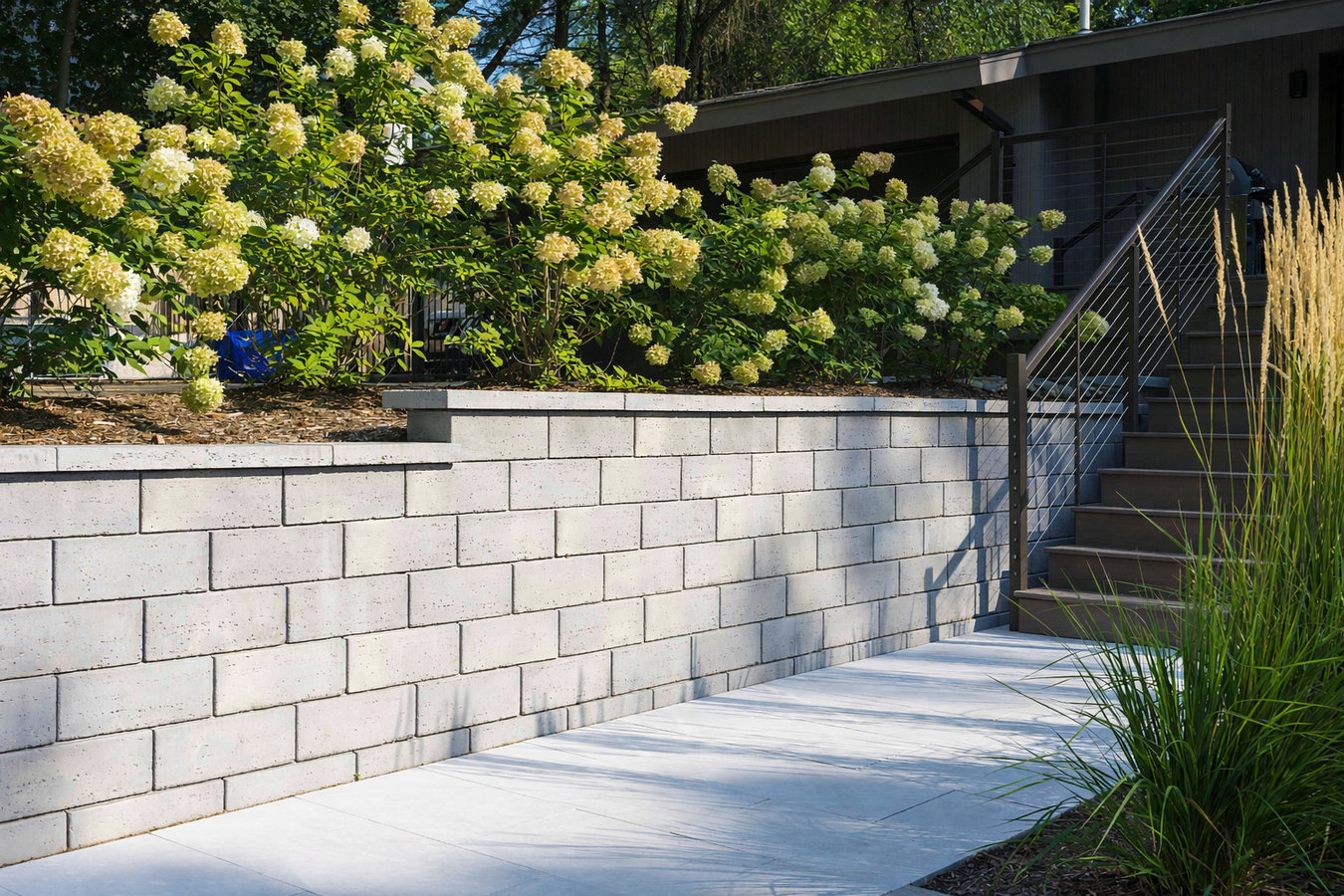
Jacksonville properties sit on Pulaski County clay that shifts with every wet season and dry stretch, and sloped or terraced lots without a proper retaining structure lose topsoil and stable grade year after year. A concrete block wall built with a deep footing and drainage gravel behind it stops that cycle and turns an eroding slope into a usable, level surface. Our concrete block wall construction for Jacksonville homeowners accounts for local soil conditions and the city permit process from the first estimate - not as an afterthought once work is underway.
Jacksonville has a large share of homes built in the 1950s through 1970s on concrete slab and crawl space foundations. The expansive clay soil underneath those slabs expands during wet springs and contracts in dry summers, putting steady pressure on the concrete over decades. Stair-step cracks in exterior brick, doors that stick after a wet season, and interior floors that feel uneven are signs that the slab has been moving - and those signs rarely get better on their own without professional attention.
Brick veneer is the dominant exterior finish on Jacksonville homes from the postwar era, and mortar joints from the 1960s and 1970s are now 50 to 60 years old. Pulaski County winters put these joints through repeated freeze-thaw cycles, and once mortar starts to crumble - chalky white streaks on the brick face or joints that give when you press them - water can reach the framing behind the veneer. Repointing the joints before the damage spreads to the bricks themselves keeps the repair cost manageable and the wall intact.
Many Jacksonville homes from the 1960s and 1970s have original masonry chimneys that have gone decades without a professional inspection. Arkansas springs bring hail that can crack chimney crowns and knock caps loose without leaving visible damage from the ground. A chimney that has absorbed 50 years of central Arkansas freeze-thaw cycles and storm seasons is unlikely to be in the same condition as when it was built - and the damage that develops quietly tends to show up as interior water staining before homeowners realize the source.
Spalling - where the surface face of a brick flakes off in thin layers - is common on Jacksonville homes from the postwar period that have gone through decades of freeze-thaw exposure without mortar maintenance. Once the mortar joints open up and water gets into the brick itself, the damage accelerates each winter. Individual bricks that are actively spalling can often be replaced without disturbing adjacent courses if the problem is caught before it spreads to multiple sections of wall.
Jacksonville grew alongside Little Rock Air Force Base from the 1950s onward, and the bulk of its housing stock reflects that era - postwar ranch homes on modest lots with brick veneer facades, slab or crawl space foundations, and original mortar that is now pushing 60 or 70 years old. At that age, the mortar on these homes has typically exceeded its design life. Mortar from the mid-20th century was often a softer, lime-heavy mix intended to absorb stress and sacrifice itself so the bricks would not crack. That worked as designed for decades, but once those joints have fully deteriorated and water has a clear path behind the veneer, the repair scope grows quickly. A masonry contractor who does not recognize the age and mix type of existing mortar - and uses a harder modern mix on older brick - can accelerate cracking rather than stop it.
The soil conditions in Jacksonville compound the challenge. Pulaski County sits on highly expansive clay that swells with spring rains and contracts in the long dry summer. That seasonal movement works on everything from slab foundations to concrete driveways to landscape retaining walls. Homes with crawl space foundations face an additional risk - Arkansas humidity creates moisture pressure underneath the house that, without proper ventilation and encapsulation, can cause structural framing and block walls to deteriorate from the inside. The combination of aging construction, active clay soil, and a climate that delivers both heavy rain and hard freeze-thaw winters makes Jacksonville a city where masonry maintenance is not optional - it is a recurring part of owning a home built in this era.
We pull permits through the City of Jacksonville for structural masonry work and coordinate inspections directly, so Jacksonville homeowners are not navigating the permit process on their own. Jacksonville is a mid-size Pulaski County city of roughly 28,000 to 30,000 residents located about 15 miles northeast of downtown Little Rock, and its housing stock is one of the most distinctly postwar in the metro - a majority of homes were built between 1950 and 1985, and brick veneer on ranch-style construction is the dominant pattern throughout the city.
The presence of Little Rock Air Force Base shapes the character of the city and its neighborhoods - many households are military families who need reliable contractors who can work on a reasonable timeline, alongside long-term civilian residents who have owned the same brick ranch for 30 or 40 years and are dealing with its first major masonry issues. Dupree Park and the residential neighborhoods surrounding it represent some of the city's most established areas, where older brick homes are most concentrated. We also serve customers in Cabot, just to the northeast along Highway 67/167, where newer subdivisions and a fast-growing population create a different but complementary set of masonry needs. Neighboring Sherwood to the south shares Jacksonville's postwar housing age and the same Pulaski County clay soil conditions.
Reach us by phone or the contact form. We respond within 1 business day. Describe what you are seeing - a wall that is leaning, a slope that washes out after rain, crumbling mortar on the brick facade - and we schedule a time to come out. You do not need to diagnose the problem in advance.
We visit your Jacksonville property, inspect the masonry or site conditions in person, and walk you through what we find - what is causing the problem, whether it is structural or cosmetic, and what the repair will involve. You receive a written estimate with labor, materials, drainage provisions, and any permit fees itemized separately. No surprises after you approve the work.
If the work requires a permit - which it typically does for retaining walls, structural masonry, and foundation work - we handle the application through the City of Jacksonville and coordinate any required inspections. Permit processing typically adds one to two weeks before work can begin. We confirm the start date once approvals are in place.
The crew completes the work, removes leftover materials from the site, and walks you through the finished job before leaving. For block walls and concrete work, we explain the curing timeline - typically 24 to 48 hours before any contact with the wall and up to 28 days to reach full strength. You will know exactly when the work is ready for normal use.
We serve homeowners throughout Jacksonville and Pulaski County. Call today or fill out the contact form - we respond within 1 business day with a free written estimate.
(501) 621-2141Jacksonville is a city of roughly 28,000 to 30,000 residents in Pulaski County, located about 15 miles northeast of downtown Little Rock along the Highway 67/167 corridor. The city grew steadily from the 1950s onward in direct connection with Little Rock Air Force Base, which remains the city's largest employer and has shaped its character for decades. Jacksonville functions as a self-governing city with its own mayor and city services, though it sits within the larger Little Rock metro area. The Jacksonville Museum of Military History reflects the city's deep ties to military service and is one of the community's most recognizable institutions.
The housing stock in Jacksonville is predominantly single-family and skews toward the postwar era - most homes were built between 1950 and 1985, with ranch-style construction on modest lots as the dominant pattern. Brick veneer is the most common exterior finish on homes from this period, with vinyl siding becoming more common on properties built or re-sided after the 1990s. The mix of owner-occupied long-term residents and military families on shorter-term assignments gives the city a practical, maintenance-focused character. Jacksonville borders Sherwood to the south, which shares the same postwar brick housing age and Pulaski County clay soil, and sits along the main highway corridor leading toward Cabot to the northeast, where a faster-growing population has added newer construction to the regional mix.
Stabilize and restore your home's foundation with expert repair solutions.
Learn moreEngineered retaining walls that hold soil and add definition to your landscape.
Learn moreFull-service restoration that brings aging masonry back to its original character.
Learn moreCustom fireplace builds using brick, stone, and mortar by skilled craftsmen.
Learn moreNatural and manufactured stone veneer applied to interior and exterior surfaces.
Learn moreSolid concrete block walls for residential, commercial, and industrial applications.
Learn moreReliable block wall foundations built to code and designed for the long term.
Learn moreBrick and stone outdoor kitchen structures that elevate your backyard entertaining.
Learn moreCustom walkways in brick, stone, or paver materials for lasting curb appeal.
Learn moreNew brick wall construction for fences, privacy walls, and property borders.
Learn morePrecision mortar joint pointing that strengthens and weatherproofs brick surfaces.
Learn moreCall us or submit the contact form. We serve Jacksonville and all of Pulaski County and respond within 1 business day.