
Loading...
Serving Little Rock, AR and surrounding areas. (501) 621-2141
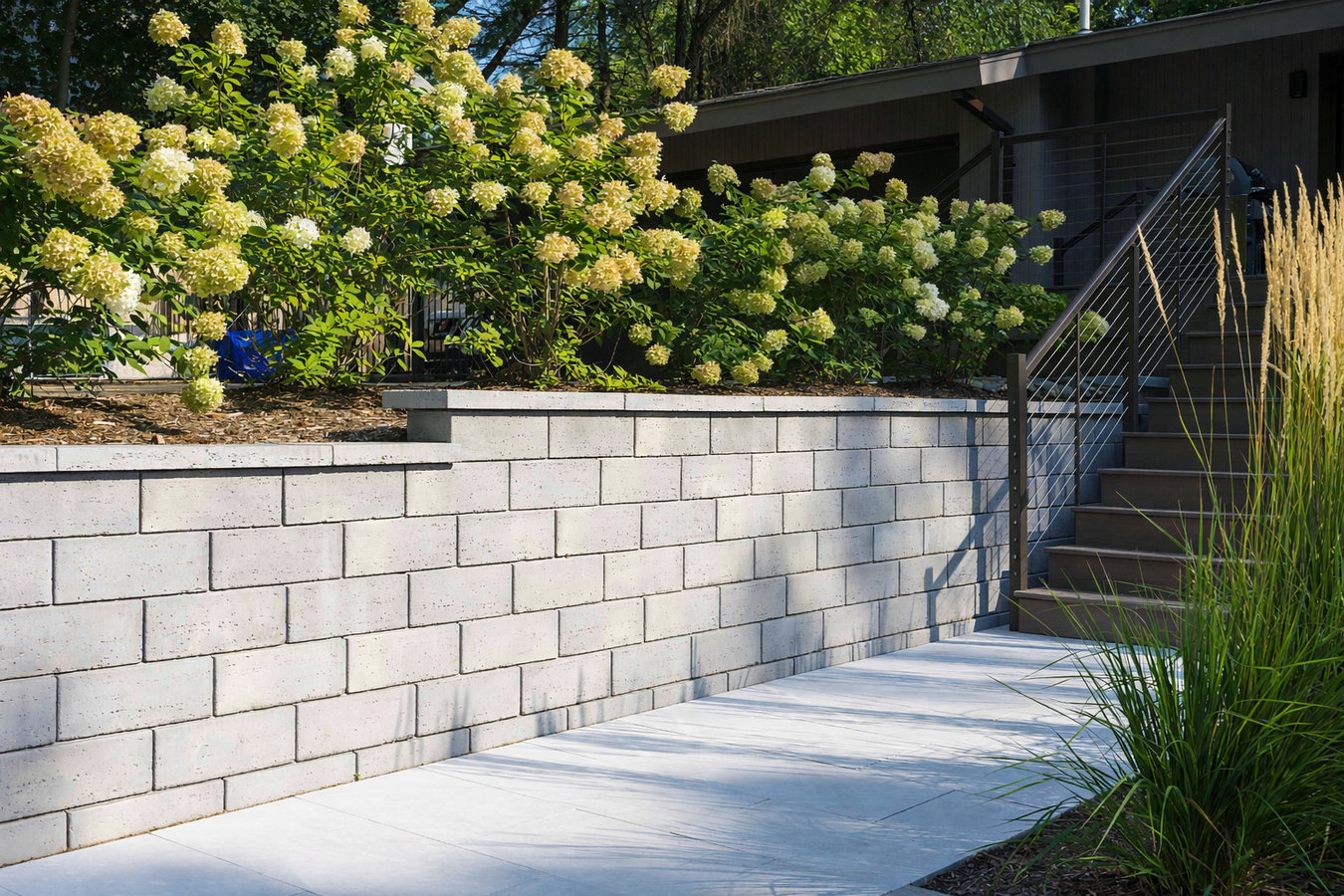
Slopes erode, old walls lean, and poorly built retaining walls fail after the first big storm. We build concrete block walls in Little Rock with the footings and drainage your yard actually needs to stay put for decades.
Concrete block wall construction in Little Rock starts below ground - with a concrete footing poured below the frost line - and works up through each course of blocks, mortar, and drainage provisions until the wall is level, plumb, and ready to hold. Most residential retaining or landscape walls take one to three days; larger structural walls or sloped lots with significant drainage work can take a week or more.
Little Rock homeowners call us for retaining walls that stop slopes from washing away, privacy and garden walls that define outdoor spaces, and replacement of older walls that have reached the end of their life after decades of Arkansas weather. The clay-heavy soil here and the city's high annual rainfall mean that drainage is not optional - a wall without proper drainage behind it is one heavy rainstorm away from failure.
If your project involves a wall that is part of your home's structural foundation, our foundation block wall installation service covers that scope in more detail. For slopes where erosion is the primary problem and the wall will need to work alongside grading changes, our retaining wall construction service addresses the full drainage and site-prep picture.
Stand back and look at your wall from the end - if it curves outward or leans noticeably in any direction, it is no longer doing its job. A leaning wall is under stress and can fail suddenly, especially after heavy rain. In Little Rock, this often happens to older walls built without proper drainage that have been absorbing water pressure for decades.
Small hairline cracks in mortar are normal over time, but cracks that run diagonally through the blocks themselves - or that you can fit a finger into - signal a structural problem. Little Rock's clay soil expands and contracts with every wet and dry cycle, and walls not built to handle that movement will eventually crack. Widening cracks need professional attention soon.
If you have a sloped yard and notice bare soil, exposed roots, or mulch washing down toward your house or the street after rain, a retaining wall is the right fix. Little Rock's heavy rainfall makes slope erosion a common problem, and it tends to get worse each year without a wall to hold the grade.
A white, chalky residue on a concrete block wall - called efflorescence - means water is moving through the blocks and leaving mineral deposits behind. In Little Rock, where heavy rains are common, this is often an early warning that water is getting in somewhere it should not. Left alone, persistent moisture weakens the wall from the inside.
We build concrete block walls for retaining slopes, creating level areas for patios and garden beds, defining property lines, and replacing original masonry walls that have reached the end of their serviceable life. Every project starts the same way: we dig a trench, pour a concrete footing below the frost line, and let it harden before the first block goes down. The footing is the part you never see once the wall is finished, but it is the part that determines whether the wall stays straight for 50 years or starts leaning within five.
Drainage gravel and weep holes - small openings that let water escape before pressure builds - are part of every retaining wall we build. For walls that are attached to or part of a home's foundation system, we coordinate with our foundation block wall installation scope so the structural and drainage considerations are handled together. When a retaining wall is one part of a larger grading or slope-stabilization project, our retaining wall construction team handles the full site picture.
Suited for sloped lots where soil erosion is active or where a homeowner wants to create a flat, usable outdoor area by holding back a grade change.
Best for homeowners who want to define raised garden beds, create borders between lawn areas, or add structure to a backyard without a full retaining system.
Ideal for properties that need a solid, durable screen between a yard and an alley, neighboring lot, or street - more permanent than fencing and lower maintenance.
Much of Little Rock sits on expansive clay soil - the kind that swells when it absorbs rain and shrinks when it dries out. That movement puts constant stress on any wall not anchored deeply enough, and it is why so many older walls across Hillcrest, the Heights, and Pulaski Heights are now cracking or leaning after 50 or more years. The city also receives around 50 inches of rain per year, and the occasional heavy downpour can dump several inches in a matter of hours. A retaining wall with no drainage behind it acts like a dam during those storms - and eventually, the pressure wins. We build every wall with drainage gravel and weep holes from the start, not as an afterthought.
Little Rock also requires a building permit for retaining walls above a certain height. Pulling that permit means a city inspector checks the work at key stages - which protects you if you ever sell the home or need to file an insurance claim. We handle the permit application and coordinate the inspection so you are not navigating city process on your own. We serve homeowners throughout the metro, including Cabot and Jacksonville, where similar clay soil conditions and drainage challenges apply.
We respond within 1 business day. A block wall job is too variable to quote accurately over the phone, so we will schedule a site visit - but we can give you a rough sense of scope during the first conversation if you tell us what you want to hold back and roughly how long the wall needs to be.
We look at the slope, the soil, what the wall needs to hold back, and whether there are drainage issues to address. You receive a written estimate that breaks down labor, materials, permit fees, and drainage provisions - no vague lump sums.
If a permit is required, we handle the application. Permit processing in Little Rock typically takes one to two weeks. We then dig the trench, pour the footing, and let it harden before block-laying begins. Drainage gravel goes in as the wall goes up, not as an afterthought at the end.
When the last block is set, we clean up the site and coordinate the city inspector visit if a permit was pulled. The mortar needs 24 to 48 hours before anyone loads the wall, and it reaches full strength over the following few weeks.
Free on-site estimate. Written quote before any work starts. We handle the permit.
(501) 621-2141We install drainage gravel and weep holes on every retaining wall we build in Little Rock. With 50 inches of rain per year and clay soil that holds water, a wall without drainage provisions is not a long-term solution - and we build for the long term.
Clay soil in this area moves seasonally, so footing depth is not a detail we leave to chance. We dig below the frost line and size the footing for the wall load and soil conditions - the hidden work that determines whether your wall stays straight for 50 years.
Little Rock requires permits for retaining walls above a certain height. We handle the application, work within the one-to-two-week processing window in your timeline, and coordinate the inspector visit at the right stage of construction - so the work is on record and protects you at resale.
We cover Little Rock and 11 surrounding communities, meaning we already know the soil conditions, drainage patterns, and permit requirements in your part of the metro. No learning curve, no generic approach built for a different climate.
The National Concrete Masonry Association sets the technical standards that serious masonry contractors follow for footing design, drainage, and mortar joint quality. We build to those standards, and you can verify our Arkansas contractor license through the Arkansas Contractors Licensing Board before signing anything.
Block wall installation for residential foundations, crawl spaces, and below-grade structural walls that require engineering and proper waterproofing.
Learn moreFull-scope retaining wall projects for sloped lots in Little Rock, including grading assessment, drainage planning, and permit coordination.
Learn moreLock in your concrete block wall estimate now before the summer heat complicates mortar curing - call or message us today to get on the schedule.