
Loading...
Serving Little Rock, AR and surrounding areas. (501) 621-2141
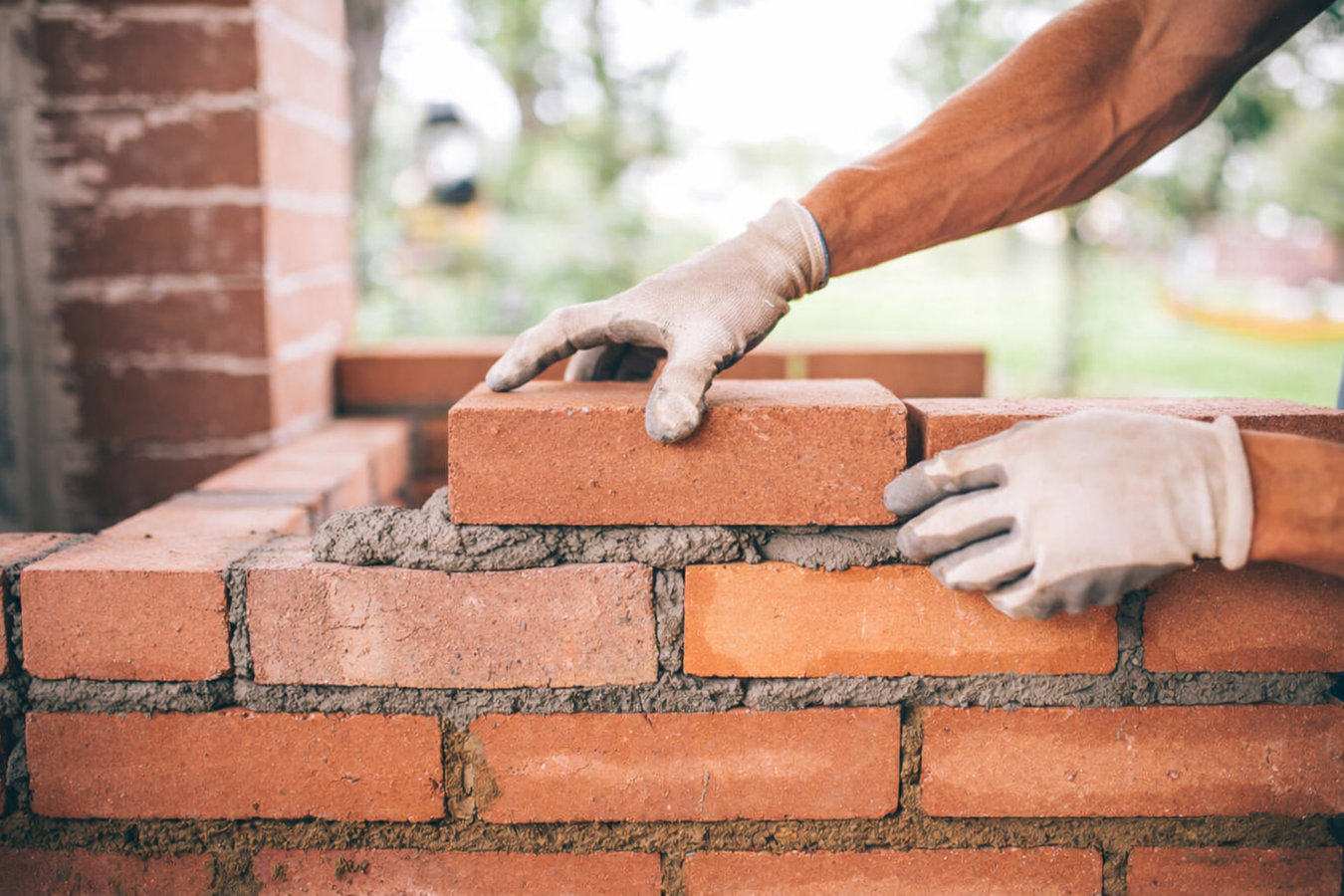
Your property needs a boundary wall, garden border, or retaining structure that stays plumb for decades. We build brick walls in Little Rock on deep footings designed specifically for Arkansas clay soil - and we handle permits from start to finish.
Brick wall installation in Little Rock starts below the ground. A mason digs and pours a concrete footing - the underground base that keeps the wall from shifting as the soil moves - then lays individual bricks course by course in overlapping rows bonded with mortar. Most residential garden or boundary walls take two to four days from start to finish, though walls requiring permits or engineered footings take longer.
The most common reason brick walls in Little Rock lean or crack is a footing that was not deep enough to handle the city's expansive clay soil. That soil swells every wet season and contracts every dry one, and a wall built without a proper footing will not stay straight for long - no matter how good the brickwork looks above grade. If you are also dealing with water drainage issues near your home, our brick repair team can assess whether your existing masonry needs patching before we build anything new.
A well-built brick wall can last 50 to 100 years with minimal attention. Getting the footing and the mortar mix right at installation is the difference between a wall that stays plumb for decades and one that needs expensive work within a few years.
Brick wall problems often start small and grow quietly. Here are the signs that should prompt a professional look.
Stand back and look at your wall from the side. If it no longer looks straight - leaning outward or showing a belly in the middle - the footing or structure behind it has shifted. In Little Rock, this often happens because clay soil has moved under the wall's foundation. A leaning wall will not correct itself, and the longer it sits, the more expensive the repair or replacement becomes.
Run your finger along the lines between bricks. If the mortar feels soft, crumbles easily, or has gaps where it has fallen out entirely, the wall is losing the bond that holds it together. Little Rock's wet winters and hot summers accelerate mortar breakdown over time. Small areas can sometimes be repaired, but if the damage is widespread, a full rebuild is often the more cost-effective long-term choice.
Little Rock gets around 50 inches of rain per year. If you notice water collecting against your home's foundation or running toward the house after a storm, a retaining or diversion wall may be part of the solution. Water against a foundation is one of the leading causes of costly structural problems in homes here, and addressing it sooner is far cheaper than waiting.
If you see chips or flakes of brick face on the ground near your wall, or notice the surface of individual bricks looks like it is peeling, that is called spalling. It usually means moisture got into the brick and then froze, breaking the surface apart from the inside. Once spalling starts, it tends to spread, and affected bricks typically need to be replaced rather than patched.
We build freestanding garden and boundary walls, retaining walls that hold back slopes, raised planting bed walls, decorative courtyard walls, and brick columns for gates or entries. Every project starts with a site visit where we assess the soil conditions and determine what footing depth is appropriate - in Little Rock, that depth is almost always greater than what a standard spec sheet would call for. We source brick rated for exterior use in our climate zone, and when you are adding a new wall alongside an older home, we match mortar color and joint style to what is already there. Reach out to start the estimate process for your project.
Many homeowners combine new wall work with related masonry projects. Our stone masonry team can build walls using natural stone instead of brick for a different aesthetic, and our brick repair service can handle any existing brick structures on your property that need attention before new construction begins.
Ideal for homeowners who want to define their property, add curb appeal, or create a visual border around a lawn or garden area.
Best for properties with a slope or drainage problem - holds back soil, redirects water, and prevents erosion near the foundation.
Suits homeowners who want to add structure and character to a gate, driveway entrance, or outdoor living space.
Little Rock sits on some of the most expansive clay soil in the South. That clay absorbs water and swells, then dries and shrinks - putting constant upward and lateral pressure on any masonry structure built on top of it. A brick wall with a shallow footing in this soil will start to lean or crack within a few years, no matter how carefully the brickwork was laid above grade. We account for this in every footing we dig, using depths appropriate for local soil behavior rather than a generic standard. We serve homeowners across the metro, including North Little Rock and Sherwood, where the same soil conditions require the same approach.
In established neighborhoods like Hillcrest, the Heights, and Pulaski Heights - where many homes were built between the 1920s and 1960s - brick walls need to look like they belong. That means sourcing compatible brick and matching the original mortar color and joint profile. A wall that does not match the existing character of the home subtracts from curb appeal rather than adding to it. The Brick Industry Association provides the technical standards our masons follow for brick selection, mortar mix, and installation practice in exterior applications.
We respond within 1 business day. We will ask a few questions about your wall - approximate length, height, and whether it needs to hold back soil. We never quote wall jobs over the phone because site conditions, soil depth, and permit requirements all affect the price.
We come out, assess the soil conditions, measure the area, and discuss brick style options. If your project will need a city permit - common for taller or retaining walls - we explain the process and timeline at this stage. You receive a written estimate before any work begins.
The first phase of work is digging and pouring the concrete footing below grade. This typically takes one to two days and is the most important part of the project. In Little Rock clay, we dig deeper than a standard footing spec - this is what keeps your wall straight for decades.
Once the footing cures - typically 24 to 48 hours - we begin laying bricks. The crew checks level and plumb constantly. After the last brick is set, we clean the wall, remove all materials, and explain the curing period. Mortar reaches full strength over about 28 days - avoid putting heavy loads on the wall during that time.
We handle permits, source matching brick, and respond within 1 business day.
(501) 621-2141We size and depth footings for what central Arkansas clay actually does over the course of a year - not just what a standard chart recommends. That extra depth is what separates a wall that stays plumb for 50 years from one that starts to lean after the third rainy season.
Unpermitted walls can create problems at home sales and with insurance in Little Rock. We handle the permit application on your behalf, coordinate the city inspection, and make sure the finished wall is on record and fully above board. You never have to deal with the city directly.
In neighborhoods like Hillcrest and the Heights - where brick homes from the 1920s through 1960s are common - we source compatible brick and match mortar color and joint profile. A new wall should look like it was always part of your property, not like an addition.
We have completed brick wall projects across the city and surrounding communities - from older in-town neighborhoods to newer subdivisions in west Little Rock and beyond. Local project history means we understand the soil, HOA requirements, and permit conditions specific to each area. The Arkansas Contractors Licensing Board lists our license status publicly so homeowners can verify before hiring.
We build brick walls the same way we build everything else - with the right footing depth for the soil, the right brick for the climate, and clear communication at every step. That approach is what keeps Little Rock homeowners calling us back for the next project.
Build walls, columns, or landscape features using natural stone when you want a different look from standard clay brick.
Learn moreAddress damaged or deteriorating sections of existing brick structures on your property before or alongside new installation work.
Learn moreSpring and fall booking slots fill quickly - lock in your project date before the next season's rush.