
Loading...
Serving Little Rock, AR and surrounding areas. (501) 621-2141
LRM Little Rock Masonry serves Hot Springs, AR homeowners with stone veneer installation, masonry restoration, and chimney repair, covering historic homes, hillside lots, and lake properties throughout Garland County with crews experienced on the terrain and housing stock specific to this area, and free written estimates on every job.
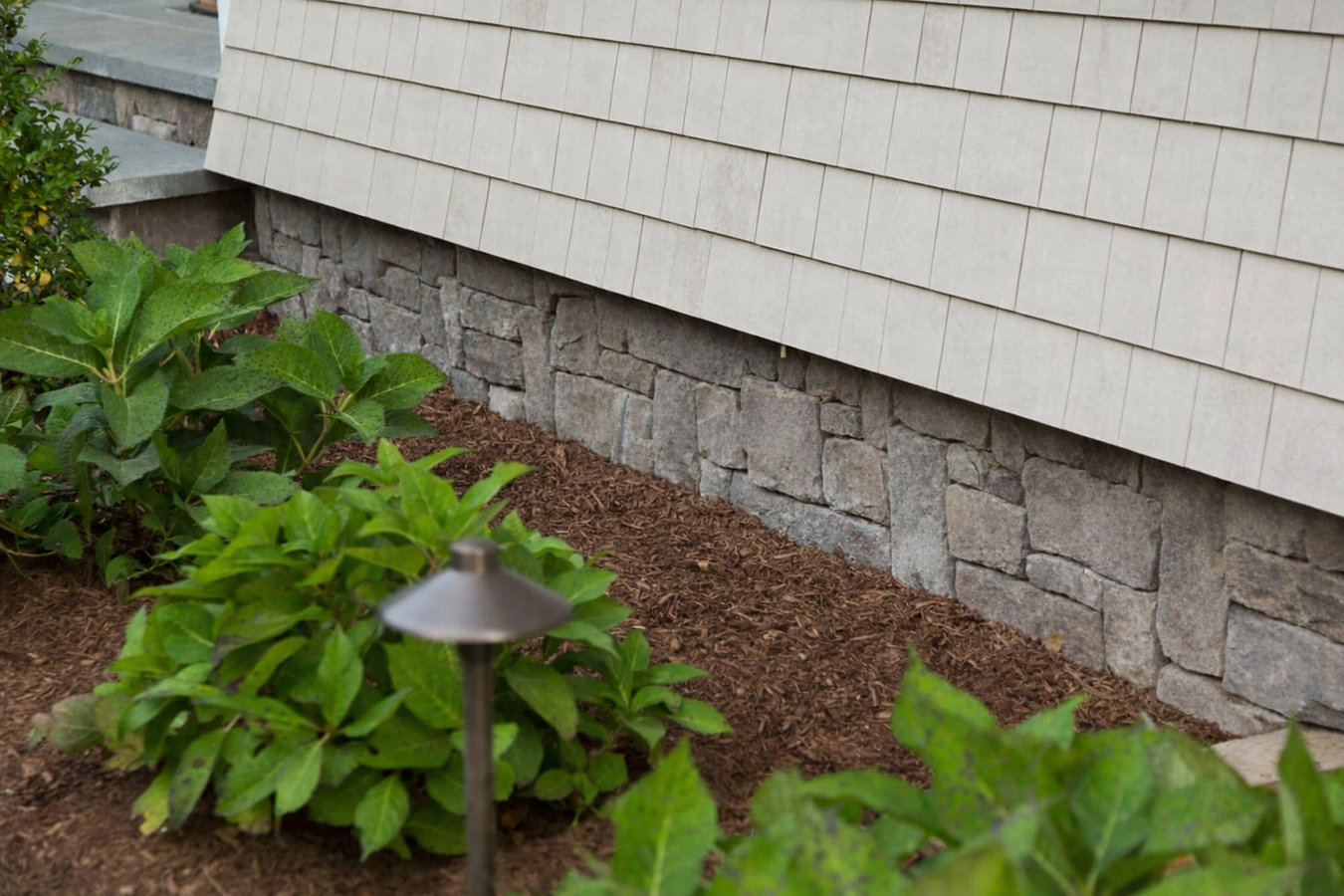
Hot Springs properties - from the Craftsman bungalows a few blocks from Bathhouse Row to the newer builds out near Lake Catherine - often have exterior surfaces that would benefit from the character and durability that stone veneer adds. The hilly terrain and heavy annual rainfall in Garland County make moisture management critical: stone veneer installed without a proper moisture barrier and correctly drained substrate will fail faster here than in drier climates. Our stone veneer installation process accounts for Hot Springs-specific moisture exposure from the start, so the finished surface holds up through the wet seasons this area reliably delivers.
A large share of Hot Springs homes were built before 1960, and many in the neighborhoods closest to downtown date back to the 1920s and 1930s. Mortar from that era was softer and more breathable than modern mixes, and it needs a contractor who understands the difference - applying hard modern mortar to old soft brick accelerates damage rather than stopping it. Masonry restoration on these older Hot Springs properties starts with identifying what the original material was and matching the repair to it, not to what is easiest to source at a supply house.
Hot Springs receives over 54 inches of rain annually, and chimneys on the city's hillside homes take that moisture load from every angle. The freeze-thaw cycles from December through February force water trapped in chimney mortar and crowns to expand and crack the masonry from the inside. Historic homes near downtown often have original clay-tile liners that have cracked over decades of use and need relining before the fireplace is safe to operate. An inspection before the first fire of the season costs far less than the repairs that follow a winter of water damage from a crown that had been slowly failing.
Hot Springs is built into the Ouachita Mountains, and many residential lots slope significantly. Sloped lots combined with the city's heavy annual rainfall mean water concentrates around foundations rather than draining away from them. Older homes on hillside lots frequently show signs of differential settling - where one side of the foundation moves more than the other - which produces diagonal cracks at window and door corners that homeowners sometimes dismiss as cosmetic. In a city where a large share of homes are 60 to 100 years old, foundation movement that has been accumulating for decades needs a thorough assessment before any repair plan is set.
Sloped, wooded lots throughout Hot Springs shed water fast in heavy rain, and without proper grade management that water ends up against foundations, driveways, and lower-level walls. The hilly terrain in the Ouachita foothills means grade changes of several feet are common on residential properties - a retaining wall with drainage installed behind it is often the most effective long-term fix for erosion that has been cutting channels in the yard or pushing soil against the house with every spring storm.
Mortar deterioration on Hot Springs homes is driven by a combination that is harder on masonry than either factor alone: over 54 inches of annual rainfall keeping joints under near-constant moisture pressure, and winter freeze-thaw cycles that force whatever moisture is in those joints to expand and chip the mortar from the inside. Vacation and seasonal properties near the lake are particularly susceptible because small mortar problems can develop into larger ones during the months the home sits empty and unmonitored between visits.
Hot Springs sits in Garland County in the Ouachita Mountains, and the terrain shapes almost every masonry challenge a homeowner here will face. Many lots slope significantly, which means drainage problems are built into the landscape rather than caused by neglect. Water that falls on the hills above a property moves downhill and pools against anything in its path - foundations, retaining walls, lower wall sections, and driveways. The city averages over 54 inches of rain per year, which is consistently above the national average, and that volume of water combined with sloped lots creates conditions that are harder on masonry than flat, well-drained sites elsewhere in Arkansas. A masonry contractor who has not worked on hillside properties in Hot Springs will not recognize these drainage patterns by default - they have to know to look for them.
The age of the housing stock adds another layer. Hot Springs grew quickly during the 1920s through 1940s, and a significant share of the homes closest to downtown and Hot Springs National Park were built in that era. Masonry from the first half of the 20th century used lime-based mortars that were deliberately softer than the brick, allowing the joint to absorb movement and moisture so the bricks themselves would not crack. Repairing those joints with a hard Portland cement mortar - what most modern masonry supply houses stock by default - can create a situation where the mortar is stiffer than the surrounding brick. That mismatch forces stress onto the brick faces rather than the joints, and spalling follows. Getting the mortar type right on older Hot Springs properties is not a detail - it is the difference between a repair that holds and one that causes new damage.
We have worked on properties throughout Hot Springs - from the historic blocks near Hot Springs National Park and Bathhouse Row to the waterfront homes on Lake Hamilton and the hillside neighborhoods in the Ouachita foothills. When structural masonry work requires a permit, we work with the City of Hot Springs on the application and inspections, so homeowners are not managing that process on their own. Hot Springs is a city with a notably wide range of property types - Craftsman bungalows from the 1920s, mid-century ranch homes, lake houses built to maximize water views, and newer builds on lots that were only recently cleared from wooded hillsides. Each of those property types comes with its own masonry conditions, and we encounter all of them regularly.
Oaklawn Racing Casino Resort and Lake Hamilton are the two landmarks most Hot Springs residents think of when describing the city to someone from outside it. The neighborhoods around Oaklawn represent some of the more established residential areas, while the lake communities extend south and west of downtown with a mix of permanent homes and seasonal properties. Hot Springs borders Benton to the northeast along the I-30 corridor, where Saline County clay soil and a newer suburban housing stock create a different but related set of masonry demands. We also serve homeowners in Russellville, to the northwest, where older homes and similar Ouachita region weather patterns produce comparable chimney and restoration needs.
Vacation and seasonal property owners in Hot Springs face a specific challenge: small masonry problems that develop while the property is unoccupied can grow into significant ones by the time the owner returns. If you own a lake home or rental property that sits empty for stretches of time, a periodic masonry inspection is one of the most cost-effective ways to stay ahead of the repair cycle rather than behind it.
Reach us by phone or through the contact form. We respond within 1 business day. Describe what you are seeing - cracking mortar, loose stone veneer, water staining on brick, a chimney that has not been inspected - and we schedule a site visit. You do not need to have a diagnosis; we will look at it in person.
We visit your Hot Springs property and inspect the masonry in person. For hillside and lakefront properties we also assess drainage and how water moves across the site, since that often shapes what repair approach will hold long-term. You receive a written estimate with labor, materials, and any permit fees listed separately. No surprise additions after you approve the scope.
If the project requires a permit from the City of Hot Springs, we handle the application and coordinate inspections. For HOA properties near the lake or in planned communities, we can provide the documentation you need for architectural review - though the submission is typically the homeowner's responsibility. We confirm the start date once approvals are in place.
The crew completes the work, clears the site, and walks you through the finished job before leaving. For stone veneer or restoration work that needs curing, we tell you exactly what to protect and when the surface is ready for normal exposure. If you are managing a vacation property remotely, we can coordinate access and provide a written summary of completed work.
We serve homeowners and property owners throughout Hot Springs and Garland County. Call today or fill out the contact form - we respond within 1 business day with a free written estimate.
(501) 621-2141Hot Springs is a city of roughly 37,000 to 38,000 people in Garland County, set into the forested hillsides of the Ouachita Mountains about 55 miles southwest of Little Rock. It is the only U.S. city to contain a national park within its boundaries - Hot Springs National Park occupies the core of downtown and its famous Bathhouse Row along Central Avenue draws visitors from across the country. The city has a distinct character shaped by that tourism history, a mix of permanent residents and seasonal property owners, and a built environment that spans from early 20th-century architecture near the park to modern lake homes on Lake Hamilton and Lake Catherine south of downtown. The neighborhoods closest to Bathhouse Row and Oaklawn Racing Casino Resort contain some of the oldest residential housing stock in the state, including Craftsman bungalows and Victorian-era homes from the 1910s through 1940s.
The housing stock in Hot Springs is more varied than in most Arkansas cities the same size. Near downtown, the homes are old, dense, and built on narrow, irregular lots carved into wooded hillsides. Moving south toward the lakes, the character shifts to waterfront and near-water properties on Lake Hamilton, where a mix of long-term owner homes and vacation rentals sit on sloped lots at the water's edge. Roughly 40 to 45 percent of the city's occupied housing units are rentals, which means a significant share of properties in Hot Springs are managed as income properties and may have more deferred maintenance than owner-occupied homes. Hot Springs neighbors Benton to the northeast along the I-30 corridor, where a very different housing stock of newer Saline County suburbs presents different masonry needs, and sits within range of Russellville to the northwest, where Ouachita region climate conditions produce similar chimney and restoration demands.
Stabilize and restore your home's foundation with expert repair solutions.
Learn moreEngineered retaining walls that hold soil and add definition to your landscape.
Learn moreFull-service restoration that brings aging masonry back to its original character.
Learn moreCustom fireplace builds using brick, stone, and mortar by skilled craftsmen.
Learn moreNatural and manufactured stone veneer applied to interior and exterior surfaces.
Learn moreSolid concrete block walls for residential, commercial, and industrial applications.
Learn moreReliable block wall foundations built to code and designed for the long term.
Learn moreBrick and stone outdoor kitchen structures that elevate your backyard entertaining.
Learn moreCustom walkways in brick, stone, or paver materials for lasting curb appeal.
Learn moreNew brick wall construction for fences, privacy walls, and property borders.
Learn morePrecision mortar joint pointing that strengthens and weatherproofs brick surfaces.
Learn moreCall us or submit the contact form. We serve Hot Springs and all of Garland County and respond within 1 business day.