
Loading...
Serving Little Rock, AR and surrounding areas. (501) 621-2141
LRM Little Rock Masonry serves Searcy, AR homeowners with stone masonry, chimney repair, and tuckpointing on White County properties, bringing crews who know the city's brick ranch homes and freeze-thaw mortar demands, with free written estimates and responses within 1 business day.
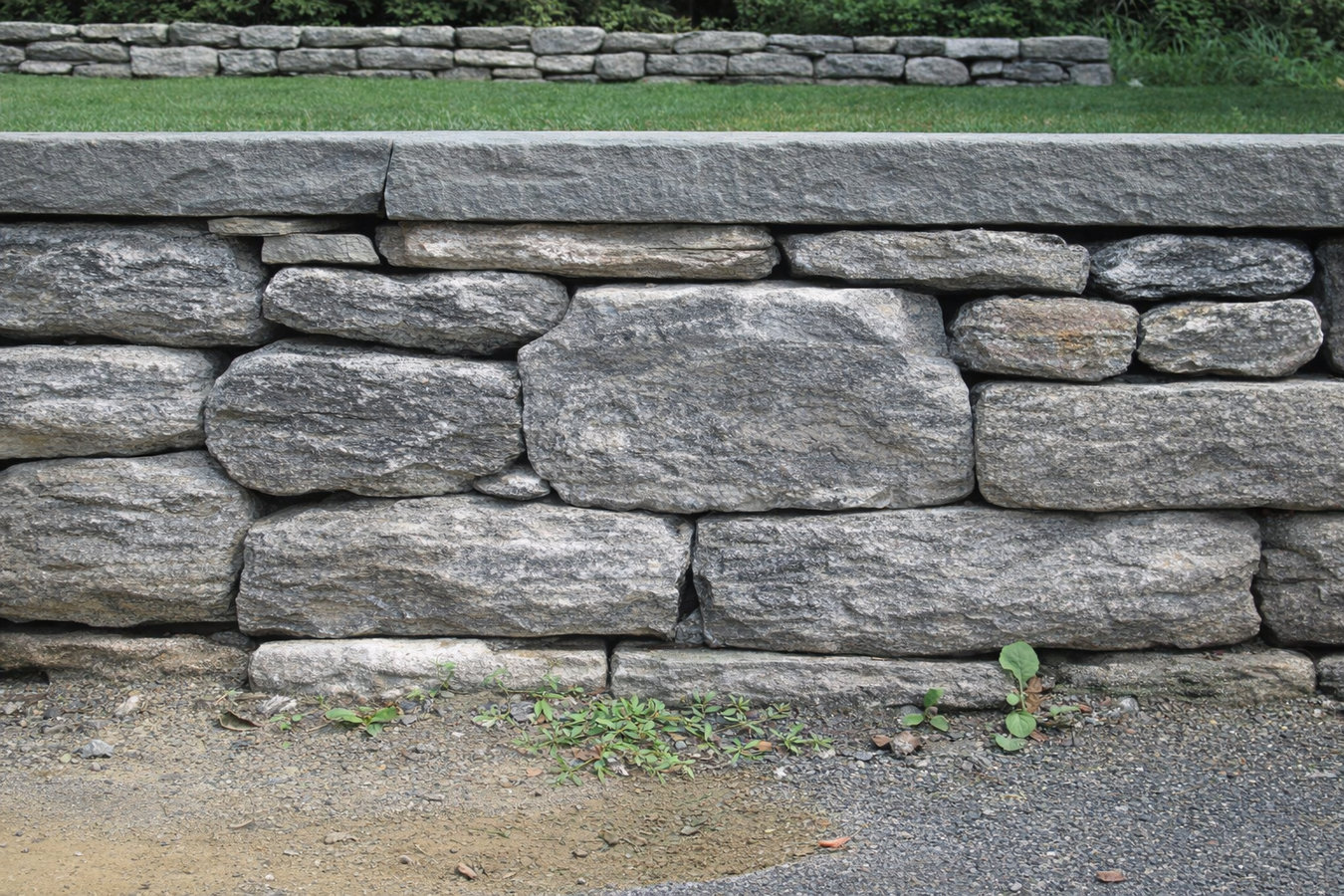
Searcy homes from the mid-20th century often have original stone features - steps, chimney faces, and decorative trim - built with natural limestone and mortar that has now been through 60 or 70 White County winters. Once mortar between stones starts crumbling, water enters the joints, freezes in January, expands, and widens the gaps with each cycle. Matching the original mortar type and stone color on older Searcy properties takes sourcing knowledge that a contractor without local experience typically does not have. Our stone masonry work for Searcy homeowners accounts for the mix compatibility required on pre-1980 construction and ensures repairs blend with the existing stonework rather than standing out as obvious patches.
Brick ranch homes in Searcy from the 1950s through the 1980s now have mortar joints that are 40 to 70 years old - and mortar from that era was designed to be the sacrificial element in the wall, wearing before the bricks do. The problem is that once those joints have opened up and water has found a path behind the veneer, the damage spreads faster than most homeowners expect. White County's freeze-thaw winters accelerate this process every year. Repointing the joints with a compatible mortar mix stops the water entry and preserves the brick itself, extending the wall life considerably without a full rebuild.
Older Searcy homes with original masonry chimneys have typically gone decades without a professional inspection, and freeze-thaw cycles here are hard on chimney crowns, caps, and the mortar between courses. Hailstorms that roll through White County in spring can crack crowns and knock caps loose without leaving obvious ground-level damage. Interior water staining on walls or ceilings near the chimney is often how homeowners first discover the issue - and by that point, the damage has usually been progressing for more than one season.
Many of Searcy's older homes sit on crawl space foundations that were built before current standards for drainage and vapor barriers. The clay-heavy soil in White County absorbs spring rainfall slowly and holds moisture against foundation walls for extended periods, which creates conditions for mortar deterioration, efflorescence, and block movement over time. Stair-step cracks in exterior brick or sticking doors after a wet spring are the typical early indicators - signs that the foundation has been responding to seasonal soil movement in ways that compound without intervention.
Homes in the established neighborhoods near downtown Searcy and around Harding University sit on lots with mature trees and uneven terrain that can shift over time as root systems expand and clay soil moves with the seasons. Yards that pool water after heavy spring rain, or slopes that have started to erode along property lines, are good candidates for a properly built retaining wall with drainage gravel and weep holes. Crooked Creek flooding during major rain events is a familiar concern for lower-lying Searcy addresses, and correct grading behind a retaining wall makes a real difference in how water moves across the property.
Searcy is a mid-sized college town in White County, and its housing stock splits into two distinct eras that require different approaches. The older neighborhoods - streets near downtown, the areas around Harding University, and established residential blocks built from the 1940s through the 1970s - feature brick ranch homes on slab or crawl space foundations with original masonry that has never been substantially updated. The mortar on these homes was a softer, more flexible mix that was standard in mid-20th century Southern construction. That mortar has typically exceeded its intended service life, and the correct repair is to match it with a compatible mix rather than substitute a harder modern mortar. Using the wrong mortar type on older brick is one of the most common and most costly mistakes a less experienced mason can make - the stiffer mix does not flex with the seasonal movement the brick is accustomed to, and cracks follow within a few years.
The newer subdivisions on Searcy's edges - built mostly after 2000 along the U.S. 67/167 corridor - present a different set of considerations. These homes are reaching the age where first-generation masonry repairs are needed, and the clay-heavy soils in White County mean retaining walls, driveways, and any structural masonry built without adequate drainage provisions tend to show stress sooner than homeowners expect. White County receives about 50 inches of rain annually, and Crooked Creek flooding during major rain events is a known local risk. Masonry that does not account for water movement - whether through weep holes, proper backfill, or graded drainage away from the structure - is masonry that will need attention again in a few years. Understanding which generation of Searcy housing a property belongs to, and what that means for materials and drainage, is the foundation of every estimate we write here.
We handle permit applications for structural masonry work through the City of Searcy and coordinate inspections directly, so homeowners are not navigating the city process on their own. Searcy is the county seat of White County, a city of about 24,000 people located roughly 50 miles north of Little Rock along the U.S. 67/167 corridor. Harding University sits in the heart of the city and has been one of Searcy's most recognizable institutions since 1934, anchoring the neighborhoods closest to campus and drawing a steady population of faculty families and long-term residents to the surrounding streets. The historic courthouse square in downtown Searcy is the other landmark most longtime residents know well - and the streets surrounding it include some of the oldest residential blocks in the city.
The two sides of Searcy - the established core with brick construction from the mid-century and the newer subdivisions along the southern and western edges - have different masonry profiles, and we have worked on both. Homes near Harding and around the downtown square tend to need mortar matching and chimney repair; newer homes in the outer neighborhoods more often need drainage-integrated retaining walls and first-cycle tuckpointing. Crooked Creek, which runs near the city and is well known locally for flooding during heavy rains, is a reference point for homeowners in the lower-lying parts of Searcy who deal with standing water after spring storms. We also serve the growing community in Conway, about 35 miles to the southwest, where a similarly mixed housing stock creates comparable masonry needs along the central Arkansas corridor.
Winter scheduling in Searcy requires attention to the forecast. The city averages lows in the upper 20s in January, and ice storms are a known risk in this part of Arkansas. Mortar cannot be laid when temperatures are near or below freezing without protective measures, and new mortar needs several days above freezing to cure properly. We plan project timing around these constraints rather than working around them after the fact - which means we will tell you honestly if a mid-January start date needs to move, and we build weather buffer into any estimate we give during the colder months. We also serve homeowners in Cabot, just southeast of Searcy along the same highway corridor, where fast growth and newer housing create their own distinct masonry profile.
Reach us by phone or the contact form and we respond within 1 business day. Describe what you are seeing - crumbling mortar, stone steps that have shifted, a chimney that stains the ceiling after rain, a wall that has started to lean. You do not need to know the cause. We ask a few questions and schedule a site visit.
We come to your Searcy property, inspect the masonry conditions in person, and explain what we find - whether the problem is structural or cosmetic, what is causing it, and what the repair will involve. You receive a written estimate with labor, materials, and any drainage or permit costs itemized. The estimate also addresses mortar compatibility on older properties, so you know the approach before any work begins.
If your project requires a permit - structural retaining walls, foundation work, and similar jobs typically do - we handle the application through the City of Searcy and coordinate inspections. Permit processing typically adds one to two weeks before work begins. We account for winter weather windows when setting the start date, so the mortar is never laid in conditions that compromise the cure.
The crew completes the work, clears the site, and walks you through the finished job. For stone and brick work, we give you clear instructions on the curing period - typically 24 to 48 hours before any contact and up to 28 days before pressure washing or loading. We also point out anything to watch for in the weeks after, including how the repair responds to its first heavy rain.
We serve homeowners throughout Searcy and White County. Call today or fill out the contact form - we respond within 1 business day with a free written estimate.
(501) 621-2141Searcy is the county seat of White County, Arkansas, with a population of about 24,000 people. The city sits approximately 50 miles north of Little Rock along the U.S. Highway 67/167 corridor, and many residents commute south to the capital region for work. Harding University, a private Christian university founded in 1934, occupies a central position in the city and is one of the most significant institutions in White County - employing hundreds and drawing a consistent population of students, faculty, and families to the surrounding neighborhoods. The historic White County Courthouse and the downtown square are the traditional center of civic life in Searcy, and the older streets near downtown include some of the most established residential blocks in the city. Crooked Creek runs near the city and is familiar to many residents as a local flooding reference point during heavy spring rains.
The housing stock in Searcy divides into two clear phases. The older core - neighborhoods near Harding, around the downtown square, and throughout the established streets built from the 1940s through the 1970s - is predominantly brick ranch construction on slab or crawl space foundations. These homes have a distinctive mid-century character and are at the age where original masonry is due for its first serious maintenance. The outer edges of the city, particularly to the south and west along the highway, grew rapidly after 2000 with newer subdivisions on larger lots using wood-frame construction. Both types of Searcy properties have distinct masonry needs, and the right approach differs significantly between them. Searcy sits along the same highway that connects to Conway to the southwest, a faster-growing city where a different mix of housing ages and commercial construction creates its own masonry demand, and toward Cabot to the southeast, a community whose rapid residential growth has brought a high volume of newer construction alongside its own share of aging homes.
Stabilize and restore your home's foundation with expert repair solutions.
Learn moreEngineered retaining walls that hold soil and add definition to your landscape.
Learn moreFull-service restoration that brings aging masonry back to its original character.
Learn moreCustom fireplace builds using brick, stone, and mortar by skilled craftsmen.
Learn moreNatural and manufactured stone veneer applied to interior and exterior surfaces.
Learn moreSolid concrete block walls for residential, commercial, and industrial applications.
Learn moreReliable block wall foundations built to code and designed for the long term.
Learn moreBrick and stone outdoor kitchen structures that elevate your backyard entertaining.
Learn moreCustom walkways in brick, stone, or paver materials for lasting curb appeal.
Learn moreNew brick wall construction for fences, privacy walls, and property borders.
Learn morePrecision mortar joint pointing that strengthens and weatherproofs brick surfaces.
Learn moreCall us or submit the contact form. We serve Searcy and White County and respond within 1 business day.