Loading...
Serving Little Rock, AR and surrounding areas. (501) 621-2141
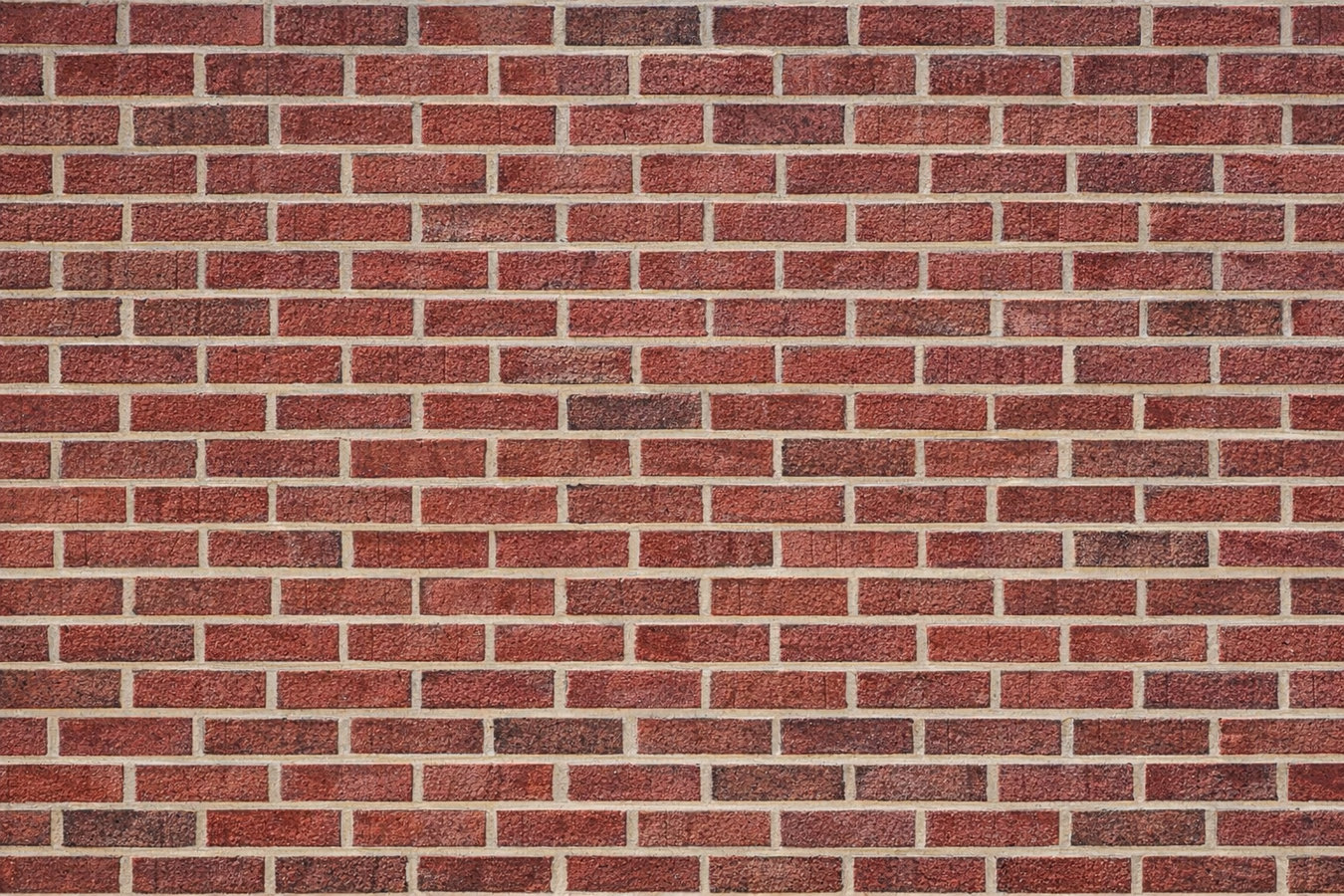
Crumbling mortar and spalled brick leave your walls open to every Arkansas rain and freeze cycle. We restore what is there so you are not facing a full replacement later.
Masonry restoration in Little Rock means repairing, cleaning, and stabilizing brick, stone, or concrete block surfaces that have started to crack, crumble, or let water in - most residential jobs take one to five days and can add decades to the life of the structure. It covers everything from replacing worn mortar joints to patching chipped brick faces and sealing cracks before water works deeper into the wall. The goal is to bring the structure back to a solid, watertight condition without tearing it down and starting from scratch.
If you live in one of Little Rock's older neighborhoods - Hillcrest, Pulaski Heights, or the Quapaw Quarter - your brick home was likely built between the 1920s and 1960s. The masonry was built to last, but the original mortar has a natural lifespan, and many of these homes are now at or past the point where restoration is overdue. Catching problems early costs far less than waiting until visible damage has worked deep into the wall. Restoration frequently pairs with tuckpointing - together they address both the mortar joints and any related surface damage in one visit.
Most masonry structures, even ones that look rough, are good candidates for restoration rather than replacement if the underlying structure is still sound. We assess that on-site before any work begins.
Run a finger along the mortar lines. If the material feels soft, sandy, or crumbles away with light pressure, it has failed. Missing mortar means water is already finding its way in with every rain, and the longer you wait, the more the bricks themselves will be affected.
That white, powdery residue after wet weather is called efflorescence. In Little Rock's humid climate it is very common, and it means water is moving through the masonry and carrying minerals to the surface as it dries. It is an early warning that moisture is getting in somewhere it should not be.
If the face of a brick is peeling off in thin layers or looks pitted compared to how it used to look, that brick has been damaged by freeze-thaw cycles - a pattern common in Little Rock after hard winters. This spalling will worsen every year if left alone, and eventually the brick needs full replacement rather than repair.
Hairline cracks in mortar joints are normal over time, but cracks wide enough to fit a coin into - or stair-step diagonal cracks running across multiple bricks - deserve a professional look. In Little Rock, where clay soil shifts seasonally, these can signal that ground movement is the underlying cause, not just surface wear.
We restore brick, stone, and concrete block structures of all types - exterior home walls, chimneys, retaining walls, garden borders, steps, and front pillars. Our process starts with a close assessment to identify all problem areas, followed by careful removal of loose or failed material. We then clean the surface, apply new mortar or patching compound in stages, and tool the joints to match your existing profile. For older Little Rock homes, we take particular care to match lime-based mortar compositions so the repair does not stress original bricks that are softer than modern replacements. Color matching is something we prioritize - you should not be able to see where the repair starts and stops.
Our masonry restoration work often includes fireplace firebox repairs when interior surfaces have cracked after years of use. We also handle full tuckpointing as part of a broader restoration scope when the mortar joints across an entire wall face need to be replaced. The National Park Service Preservation Briefs offer useful guidance on historic masonry care for homeowners in Little Rock's older neighborhoods.
Suited for homeowners with large sections of deteriorated mortar on exterior walls, chimneys, or retaining structures that have not been touched in decades.
Best for homes where individual brick faces have cracked or flaked due to freeze-thaw cycles, with damage isolated to specific areas rather than the full wall.
For structural cracks in walls or foundations where soil movement or settling has caused separation that goes beyond surface-level mortar failure.
Little Rock sits in a climate zone where temperatures regularly drop below freezing in winter and climb back above it within the same week. Every time water trapped inside a brick wall freezes, it expands slightly - and that repeated expansion and contraction is one of the fastest ways to break down mortar joints and crack brick faces. Little Rock homeowners often see masonry damage appear or worsen noticeably after a rough winter, and spring is consistently the busiest season for restoration contractors here. The city also receives around 50 inches of rain per year, which keeps constant moisture pressure on any masonry surface with failing joints. Little Rock's clay-heavy soils add another layer of stress - they swell when wet and shrink when dry, shifting the ground beneath retaining walls, steps, and low garden walls in ways that open up cracks from below.
A significant portion of the city's residential housing stock was built between the 1920s and 1960s, and many of those homes have original mortar that has never been touched. Neighborhoods like Hillcrest and the Quapaw Quarter have brick homes where the mortar is now 60 to 100 years old. We serve homeowners throughout Little Rock and nearby communities including North Little Rock and Sherwood, where brick homes from the same era are common and the same seasonal conditions apply.
We respond within 1 business day. Describe what you are seeing and where on the house it is. We will give you a general sense of the process before we come out so you know what to expect.
We walk the area with you, probe the mortar, check for signs of water damage, and assess whether soil movement is a factor. You get a plain-language explanation of what we find - no contractor jargon - and a written estimate after.
The crew covers nearby landscaping and windows, removes damaged material with grinders and chisels, then applies new mortar in careful stages. Most residential jobs finish in one to five days depending on scope.
Fresh mortar needs 24 to 72 hours before getting wet and up to 28 days to reach full strength. We walk the finished work with you, point out what to watch for, and let you know when sealing is appropriate if that is part of the plan.
We respond within 1 business day. No obligation, no pressure. After you submit, someone from our office will schedule a free on-site look so we can give you a written estimate based on what we actually see.
(501) 621-2141Little Rock homes built before 1960 often used lime-based mortar that is softer than modern mixes. Using the wrong mix damages original bricks. We identify your mortar composition and match the new material to it - so the repair holds and does not stress what is already there.
We have completed restoration work on brick homes in Hillcrest, Pulaski Heights, and the Quapaw Quarter. Those neighborhoods have brick types and mortar profiles that require specific knowledge. A contractor who has worked on your block understands the details that matter for a result that blends in.
Every estimate we give is written and itemized before any work starts. You will not be handed an unexpected bill after the job is done. We explain what we find in plain language during the assessment so you can make a confident decision.
Our license through the{' '}Arkansas Contractors Licensing Board means we have met the state's requirements for training, insurance, and financial responsibility. You can look up our license status on the board's public directory before anyone sets foot on your property.
These credentials matter most on older homes where a poor repair is obvious and can lower the property's value. We take the time to get the details right because that is what protects your investment long-term. Other contractors handle masonry restoration differently, and comparing approaches can help you ask the right questions before hiring. Learn more about masonry care standards at the Mason Contractors Association of America.
Add or restore a fireplace to your Little Rock home with a masonry build designed to last the life of the house.
Learn moreReplace failed mortar joints across an entire wall section - a focused repair that extends wall life by 20 to 30 years.
Learn moreSpring is the busiest season for restoration work - book your free estimate now before winter damage season drives up demand and scheduling fills up.