Loading...
Serving Little Rock, AR and surrounding areas. (501) 621-2141
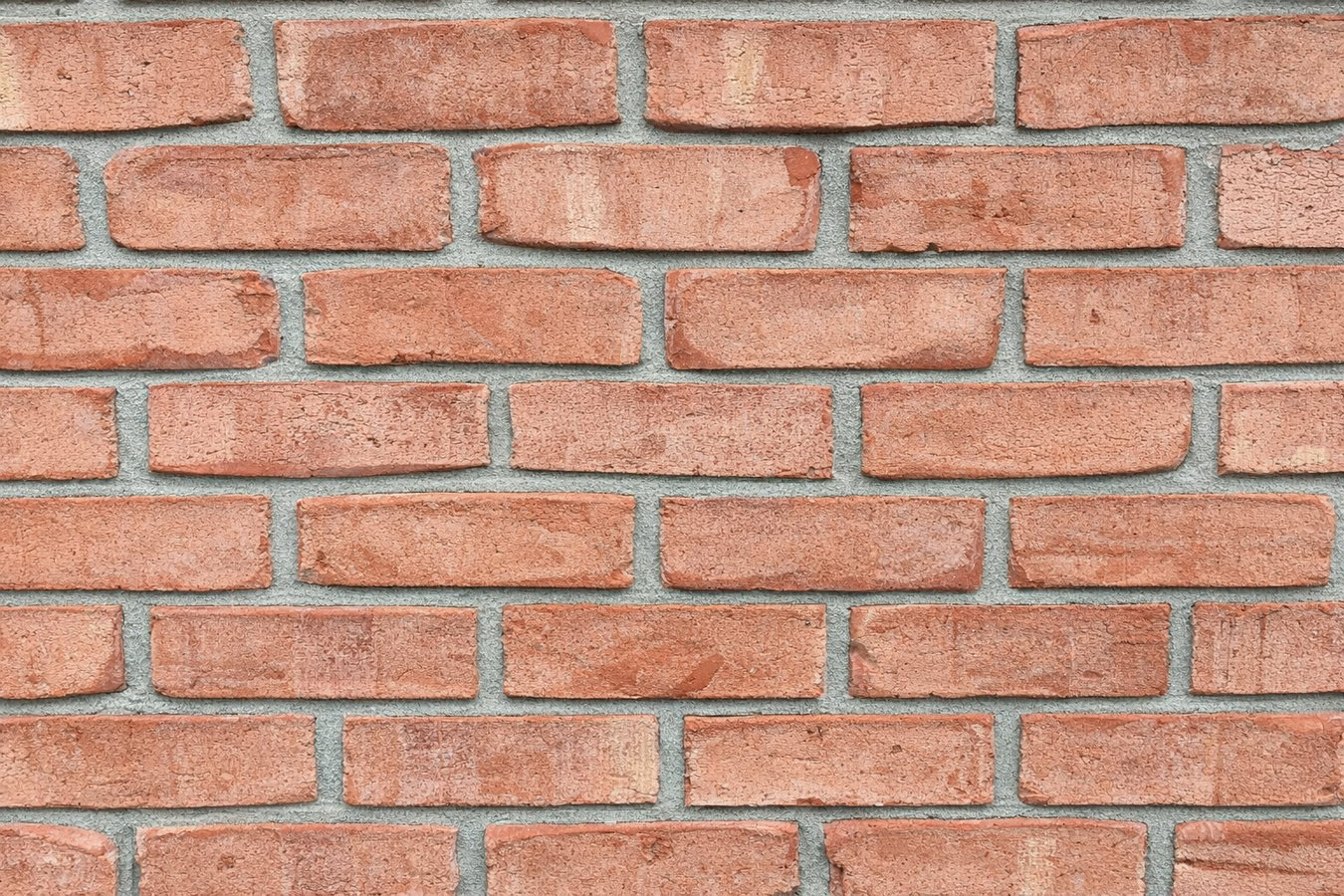
Crumbling mortar lets Little Rock rain into your walls every season. We remove the old material and pack fresh mortar tight - protecting your brick for the next 20 to 30 years.
Tuckpointing in Little Rock means removing old, deteriorated mortar from the joints between bricks or stones and packing in fresh mortar - most residential jobs take one to three days and can add 20 to 30 years to the life of the wall. The mortar joints are the softest part of any brick structure. They wear out before the bricks do, and when they fail, water follows. If you have noticed crumbling lines between your bricks, white staining on the surface, or damp spots on interior walls after heavy rain, the mortar is telling you something.
Little Rock gets around 50 inches of rain a year. That constant moisture pressure means even small gaps in mortar joints can let in enough water to cause interior damage within a single wet season. For homes with aging chimneys, tuckpointing and brick repair often go hand in hand - the mortar and the bricks are a system, and catching both issues at once saves a second visit.
If you are also dealing with open joints that need cosmetic attention along with mortar replacement, our brick pointing service covers that in detail.
Run your finger along the mortar lines between bricks. If the material comes away as powder or feels soft and sandy, it has lost its integrity. In Little Rock's wet climate, open joints like these let water in with every rain - and that water works its way toward your interior walls.
Diagonal cracks that follow the mortar joints in a stair-step pattern are caused by soil movement. Little Rock's clay soils expand in wet weather and shrink in dry spells, stressing mortar joints from below. A mason should evaluate these cracks before the next rainy season to determine whether the movement is ongoing.
Chalky white streaks - called efflorescence - are mineral salts pushed to the surface by water moving through the wall. It is harmless on its own, but it is a clear sign moisture is getting in somewhere, usually through failing mortar. In Hillcrest, the Heights, and other older Little Rock neighborhoods, this is common on homes that have not had mortar work done in decades.
Stand back and look at your wall in daylight. If you see recessed channels or visible gaps where mortar has pulled away from brick edges, water is already entering with every rain. This is past the early warning stage. Waiting longer risks spalling bricks, which cost significantly more to replace than simply repointing the joints.
We handle tuckpointing on all types of brick and stone structures - exterior walls, chimneys, retaining walls, steps, and garden walls. Our process starts with cutting out the damaged mortar to the right depth (about three-quarters of an inch), cleaning the joint thoroughly, and then hand-packing fresh mortar that matches your existing profile and color as closely as possible. For homes in Little Rock's historic neighborhoods, we take extra care to match lime-based mortar compositions so the new mix does not damage original bricks that are softer than modern ones.
Beyond wall tuckpointing, we offer full brick repair for structures where individual bricks have cracked or spalled. We also do brick pointing for joints that need finishing after repair work on adjacent masonry.
Best for homeowners with large sections of failing mortar on exterior brick walls, especially older homes with lime-based original mortar.
Ideal for chimneys showing white staining, cracked mortar crowns, or visible gaps near the flashing - the most weather-exposed masonry on any home.
Suited for garden walls, steps, and retaining structures where mortar joints have opened up and allowed water behind the wall.
Little Rock sits in a climate zone where temperatures regularly dip below freezing in winter but rarely stay there long. That pattern of freezing and thawing - sometimes multiple times in a single week - is especially hard on mortar joints. Water trapped in small cracks expands when it freezes and chips the mortar from the inside. Homeowners here tend to see mortar deterioration faster than people in consistently cold northern climates or consistently warm southern ones. The city also receives roughly 50 inches of rain per year, well above the national average, which keeps moisture pressure on brick walls nearly year-round.
A large share of Little Rock residential neighborhoods - including Hillcrest, the Heights, and Pulaski Heights - were built between the 1920s and 1960s. Mortar from that era was often lime-based, which is softer and more breathable than modern mixes. Using the wrong modern mix can damage original bricks over time. We serve homeowners across Little Rock and surrounding communities including North Little Rock and Sherwood, where brick homes from the same era are common.
We respond within 1 business day. Tell us where the damage is and roughly how much wall is affected. We will give you a sense of what to expect before we ever come out.
We walk the wall with you, point out exactly what we see, and note the mortar profile and color so new work can be matched. You get a written estimate - no verbal-only quotes.
A crew uses angle grinders and hand chisels to cut out old mortar to the proper depth, then packs fresh mortar in careful layers. A crew of two typically finishes a single-story home in one to three days.
We clean the work area and walk the wall with you before leaving. New mortar needs 24 to 48 hours before getting wet, and reaches full strength over the following few weeks. We tell you what to watch for.
We respond within 1 business day - no obligation, no pressure. After you submit, someone from our office calls to schedule a free on-site look at your mortar so we can give you an accurate written estimate.
(501) 621-2141Homes in Little Rock's older neighborhoods were often built with lime-based mortar. We assess the existing mix before ordering anything new, then match the softness and composition. That protects your original bricks from cracking - a common result of using the wrong modern mix on an old wall.
We work across Little Rock and 11 surrounding communities including North Little Rock, Benton, Bryant, Cabot, and Conway. That local reach means we know the housing stock in each area - and we can usually schedule an estimate within a few days.
You will always receive a written estimate that breaks down the scope and cost. No verbal-only quotes, no scope changes without your approval. If a permit is required for your job - for example, on a historic property in Hillcrest - we flag it before work starts.
We come to your home, walk the wall, and tell you what we see in plain terms - no jargon, no pressure. You leave knowing exactly what your home needs and what it will cost, whether you hire us or not.
Every one of these points adds up to the same outcome: a repair that holds, looks right, and does not create new problems down the road. That is what tuckpointing is supposed to do, and that is what we deliver.
For more on mortar standards, see the Brick Industry Association, the leading trade organization for brick and masonry standards in the US.
When mortar alone is not the problem, we replace cracked or spalled bricks and restore the wall to a watertight, structurally sound condition.
Learn moreFinishing and profiling mortar joints after repair work or on walls where the joints are recessed but not yet fully failed.
Learn moreEvery rainy season without a mortar repair is another season of water working into your wall - call us today and we will get out for a free look.